One of the underrated joys of studying International Relations is the opportunity to explore the connections between culture, history, and the everyday lives of people around the world. Food, in particular, serves as a rich tapestry that weaves these elements together. It provides us with a tangible sensory window into traditions, struggles, and stories that transcend borders. Sharing a meal is not just a social act, it is a bridge to understanding how global histories and personal narratives intertwine.
In this spirit, I’d like to share a personal story that combines family, history, and food…
Ben Habib (2010). ‘Surviving Stalin, Hitler and White Australia‘. Edge Dwellers Cafe.
This article reflects on my grandmother (baba), Maria, who embodied resilience and courage in the face of unimaginable challenges. A Ukrainian peasant girl, she endured the hardships of Soviet occupation, survived forced labor in Nazi Germany, and ultimately built a new life in post-war Australia. Her journey is one of displacement and rebuilding, but also of preserving culture through the simple, profound act of cooking.
In the decade before her passing, Baba shared stories of her life over meals of delicious home-cooked traditional Ukrainian dishes. Baba would tell me the same stories about her life many times, but every retelling yielded a new detail. Baba’s kitchen was both a sanctuary and a classroom, and the article listed below is the culmination of those conversations and my homage to her life.
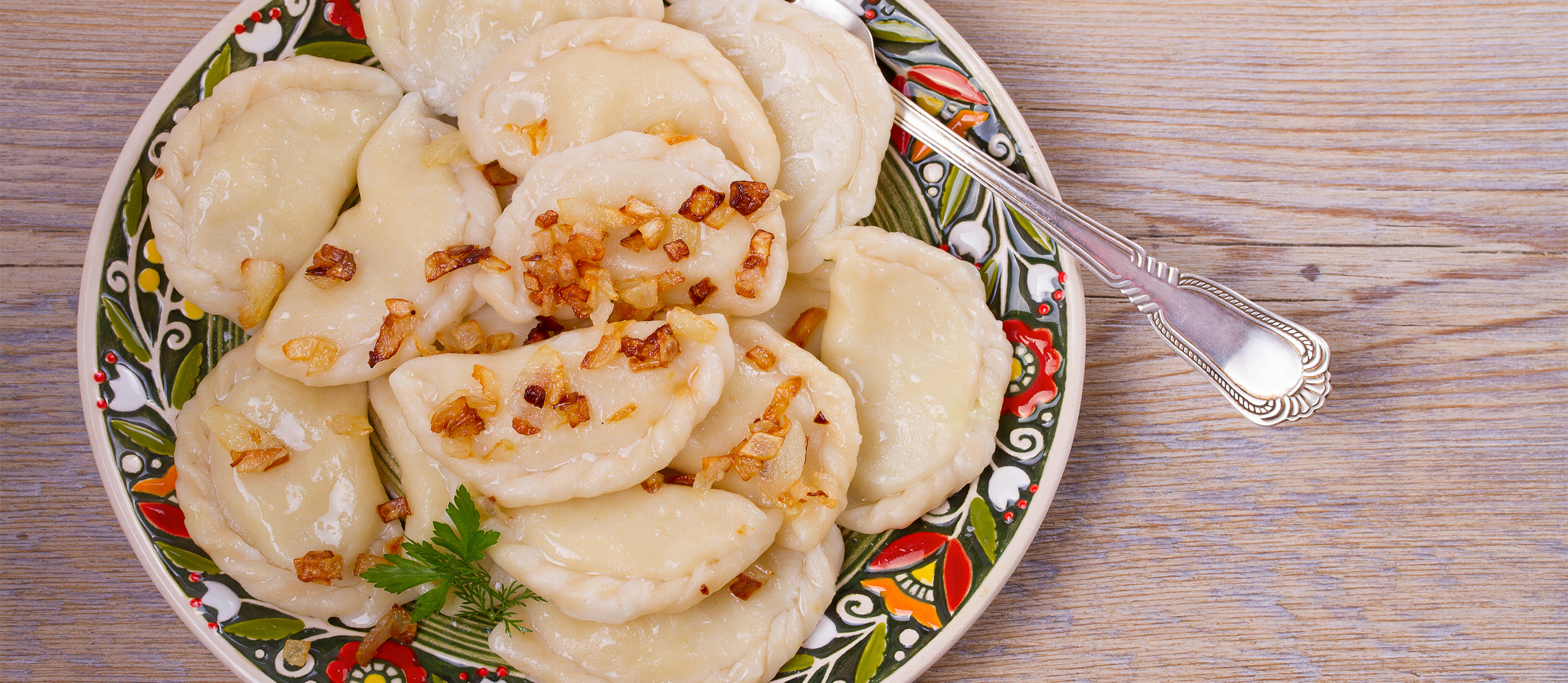
The real headline here though is the food! My favourites in Baba’s kitchen were varenyky and chicken noodle soup, which was soul food for me growing up. Food is a vehicle for memory, identity, and cultural continuity. In Baba’s kitchen, the blending of traditional Ukrainian recipes with her stories of resilience created a living archive of our family’s history. It reminds me that the personal is deeply political, and that the history of a single family can reflect broader currents in International Relations—from the forces of migration to the resilience of diasporic communities.
As we reflect on these connections, I invite you to consider your own family’s culinary heritage. What dishes tell the story of your family? How has food shaped your understanding of where you come from and where you belong? In a world increasingly defined by mobility and change, these connections to our roots through food provide an anchor.
Questions for discussion
- What was or is your soul food from the family kitchen?
- How is food from your family kitchen tied to your family history and culture?
Sharing these stories not only enriches our understanding of each other but also celebrates the diverse experiences that make up our global community. At a time of disequilibrium, food can bring us together in shared relationship.
* This posting is a thought activity shared with students in the Security and International Relations program at Swinburne Online.
 Edge Dwellers Café
You must be logged in to post a comment.