
As a huge fan of NBA basketball and European football, I’ve come to realise during my overseas travels that sport is a universal language. Football and basketball, in particular, act as a cultural bridge, allowing people from different nationalities and backgrounds to connect with one another. Whether it’s kicking around a football in a park or shooting hoops at a local court, these shared activities have the power to transcend language barriers and foster meaningful connections.

Sport’s role as a common cultural language is undeniable, but what if we took this a step further?
Let’s consider how global sports like football and basketball can serve as a lens for comparative politics. Every four years, the FIFA World Cup ignites my enthusiasm for this idea. In a previous article published in The Conversation, I explored the intangible legacies of hosting the World Cup in South Korea and Brazil, scratching the surface of how sport reflects broader societal and institutional dynamics.

Before you roll your eyes and say that Ben is stretching the analogy too far, hear me out.
Comparative politics, at its core, involves systematic case comparison. If you wanted to understand football as a global phenomenon, you could examine the national institutions that govern the sport, the financing models supporting it, fan cultures, and demographic influences.
Like political systems, the structures and cultures surrounding football vary significantly across countries. For instance, the grassroots development pathways in European football differ starkly from those in South America, while the NBA’s franchise model, player draft and salary cap stands apart from the club-centric, free market systems found in world football.
To flesh out another example closer to home, let’s consider nationalism as a contested concept, particularly so in in a multicultural settler-colonial states like Australia. Sports can be an interesting lens through which we can tease this out. Our national sports teams, rightly or wrongly, are illustrative of contested nationalisms and the different ideas about ethnicity, national identity, citizenship, political attitude, ideology, and political culture competing for legitimacy within the Australian state.
For example, let’s compare the Australian men’s cricket team and the Matildas, Australia’s women’s football team. The Matildas represent a contemporary, inclusive vision of Australian nationalism, celebrating diversity, gender equality, and community spirit. Their appeal transcends traditional boundaries, uniting Australians through their underdog narrative and success in a global sport. In contrast, the Australian men’s cricket team embodies a more traditional, historically masculine nationalism tied to the country’s Anglophile colonial past and the iconic “Aussie battler” ethos. While both teams evoke pride and national unity, the Matildas reflect Australia’s evolving identity in a multicultural, progressive world, whereas the cricket team remains steeped in heritage, symbolising continuity with a distinctly British heritage.
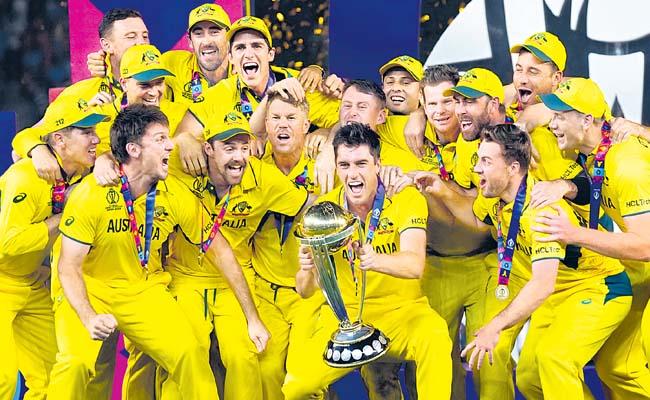

To bring this back to comparative politics, systematic case comparison is a tool you can use in countless contexts. Remember, it is not a value judgement to observe that there are contested visions of cultural ideology within any given state. It’s the job of the political analyst to map out these contested visions and understand the reasons for their emergence.
Understanding these dynamics offers valuable insights into both sports and the societies that embrace them. For students of politics, this comparative approach isn’t just an academic exercise; it’s a skill with wide-ranging applications. Whether analysing how states function or exploring the global phenomena of sports, systematic comparisons reveal patterns and contrasts that deepen our understanding.
Whether you’re stanning football, analysing political systems, or even comparing cultural phenomena, the methodology remains consistent. So, next time you watch a game or engage in a global sporting conversation, consider the underlying structures and narratives that make it possible. Olé!
Questions to think about
- In what contexts have you used sport (or another cultural phenomenon) as a common language to connect with others?
- How might you make meaningful comparisons across these shared cultural experiences?
- What different ideological and cultural visions are represented by and/or through your favourite sports and teams?
Sport is more than just entertainment, it’s a gateway to understanding global dynamics. Through the lens of comparative politics, the games we play reveal much about the world we live in.
* This posting is a thought activity shared with students in the Security and International Relations program at Swinburne Online.
 Edge Dwellers Café
You must be logged in to post a comment.