
In the study of Comparative Politics, understanding the mechanics of democratic regimes and their electoral systems is essential. It’s equally important to consider the practical challenges that these systems face, especially with a federal election in Australia coming up at some stage in early 2025.
One such challenge is disinformation, a growing threat that undermines public confidence and jeopardises the legitimacy of liberal democracies. The spread of false information not only distorts voter perceptions but also erodes trust in democratic institutions, potentially calling into question the fairness of elections.
Disinformation is a pervasive problem for liberal democracies world-wide. As a threat to electoral integrity, reminds us of the fragility of trust in democratic institutions and the ongoing effort required to preserve it.
Activity: Analysing the Impact of Disinformation
In this activity, we will explore the challenges disinformation poses to electoral integrity and examine how different democracies address these issues. Through case studies on Australia’s AEC Disinformation Register and a comparative analysis of global electoral practices using data from Freedom House and the Pew Research Center, we will critically assess the effectiveness of various strategies in safeguarding democratic systems and consider potential reforms for enhancing participation and representation in Australia’s electoral process.
Part 1: Australia case study
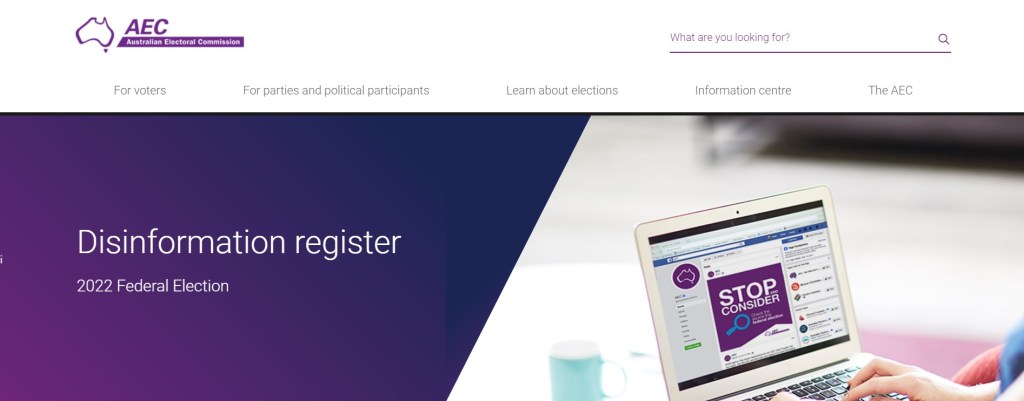
To examine how democracies address this challenge, let’s take a closer look at the AEC Disinformation Registerfrom the 2022 federal election, published by the Australian Electoral Commission (AEC). The register provides a comprehensive overview of prominent disinformation campaigns targeting Australia’s electoral process and outlines the actions taken by the AEC to counteract them.
This initiative by the AEC highlights the proactive role of independent electoral bodies in safeguarding democracy. It demonstrates the importance of transparency and trust in maintaining a robust representative system. By directly addressing disinformation, the AEC not only corrects public misconceptions but also reinforces confidence in the electoral system.
In the discussion forum, share your findings on the following questions in relation to the data in the AEC Disinformation Register:
- What types of disinformation were documented in the register, and were you surprised by the variety of false claims targeting the electoral process?
- What strategies were employed by the AEC to counter misinformation, and how effective do you think the AEC’s actions were in mitigating these threats?
Take some time to review the AEC Disinformation Register and reflect on its findings. Think about how the strategies employed align with the principles of transparency and accountability. Reflect on how such efforts contribute to preserving democratic legitimacy. In particular, think about how misinformation might affect voter participation and perceptions of fairness. These factors are crucial because a lack of confidence in the electoral process can ripple outwards, affecting overall trust in democratic governance.
Part 2: Case study comparison
To deepen your understanding, consider how Australia’s approach to combating electoral disinformation compares to those in other democracies. Many countries do not have elections overseen by an independent body like the AEC, relying instead on government agencies or other mechanisms. This comparative perspective will help us critically evaluate the robustness of various electoral systems against the rising tide of disinformation.
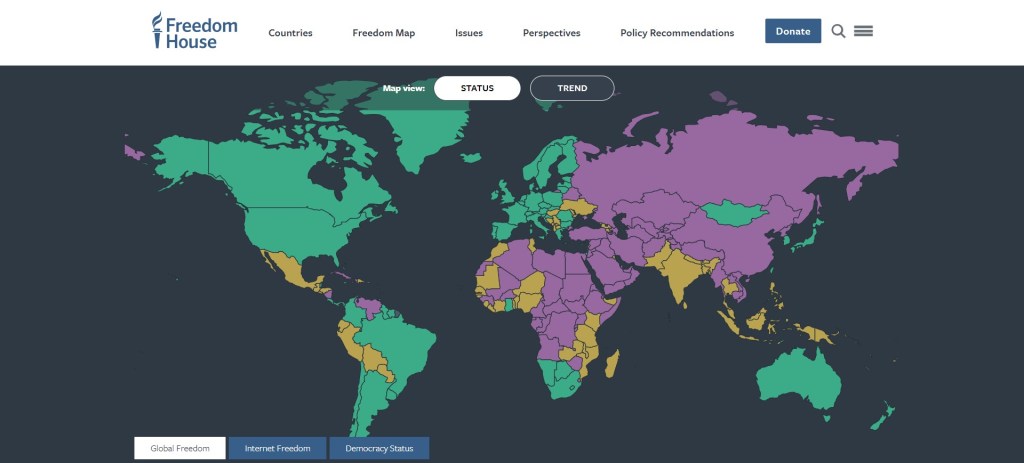
To make your comparison, play around with this detailed interactive world map published by Freedom House, which compares political rights and civil liberties between 210 countries across the world.
For each country and territory, Freedom House uses a comparative methodology that analyses the electoral process, political pluralism and participation, the functioning of the government, freedom of expression and of belief, associational and organisational rights, the rule of law, and personal autonomy and individual rights.
In the discussion forum, share your findings on the following questions in relation to the data in the Freedom House: Freedom in the World map:
- How do the AEC’s efforts to ensure electoral integrity compare to approaches in other democratic systems?
- How might the absence of an independent oversight body affect the handling of disinformation?
- Are there lessons that can be learned from the Australian model for other democracies?
Part 3: Your democracy wish list
Building parts 1 and 2 above, let’s now play around with the following thought experiment: If you could make one change to improve how democracy functions in Australia, what would it be?
Before you answer this question, check out the report What Can Improve Democracy?, published by the Pew Research Centre, which documents their findings from asking more than 30,000 respondents in 24 countries a similar question: “What do you think would help improve the way democracy in your country is working?”
In the online discussion forum, share your democracy wish list by interrogating the following ideas and/or making other suggestions not listed here:
- Australia already has compulsory voting, but are there other ways to strengthen participation?
- Would you prioritise greater transparency in government, better representation for marginalised groups, or reforms to improve voter engagement?
- Could we explore digital tools to make voting more accessible, or introduce deliberative processes like citizens’ assemblies for major policy decisions?
- Perhaps the issue lies in representation—should we consider parliamentary quotas for gender or cultural diversity to better reflect our population?
- What if Australia adopted blockchain technology for secure, direct voting on key policies?
- Or introduced gamified platforms to help citizens better engage with political issues?
Be creative in imagining how Australia’s electoral system could evolve to meet the challenges of the present and anticipating the needs of the future. Through this process of creative play, you’ll also be grappling with how Australia’s liberal-democratic political system works now.
What say you, democratic citizen?
* This posting is based on a series of activities shared with students in the Security and International Relations program at Swinburne Online.
 Edge Dwellers Café
You must be logged in to post a comment.