
Travel to North Korea remains one of the most contentious forms of international engagement, occupying a unique intersection between dark tourism, ethical dilemmas, and geopolitical considerations. As an authoritarian state with a tightly controlled narrative, North Korea offers a travel experience unparalleled in its blend of propaganda, mystery, and tragedy.
For scholars, journalists, and diplomats, journeys to the DPRK serve legitimate and even laudable purposes, from conducting in-depth research to negotiating humanitarian aid. However, the allure of vicarious tourist travel to a “forbidden” nation, driven by curiosity or fascination with the regime’s mystique, raises profound questions about the ethics of such ventures. These questions grow more complex in light of the broader impacts of tourism on North Korea’s economic and political structures, as well as the consequences for its citizenry.
With a focus on structured brainstorming as a pedagogical tool, the article offers a practical approach for students and educators to engage with these dilemmas in an academic setting. By exploring the multifaceted motivations for travel to North Korea and their ethical implications, this discussion seeks to critically examine the responsibilities of tourists and the larger consequences of engaging with authoritarian states.
I developed this activity for my guest seminar in the 3rd-year Asian Studies subject Critical Issues in Contemporary Asia (AST3CIA) at La Trobe University, and have shared it as a learning resource with my students in Dictators and Democrats: Comparative Politics (POL20009) at Swinburne Online. The structured brainstorming learning activity presented here could also usefully be paired with the geospatial learning activity in The IR classroom: North Korea geospatial intelligence ‘treasure hunt’, to add a visual and spatial element to the class discussion.
Briefing Notes
The following briefing notes can be used as a hand-out for students to aid in their preparation for the structured brainstorm learning activity.
Why go to North Korea?
Legitimate reasons to travel to North Korea often revolve around academic, journalistic, or diplomatic objectives. Scholars researching authoritarian regimes or East Asian geopolitics, like myself (Habib 2012), may seek firsthand experiences to enhance their understanding of the country’s political, economic, and cultural systems (Haggard & Noland 2017). Similarly, journalists have a professional mandate to document and report on North Korea’s realities, offering insights that counter the regime’s curated narratives (Kim 2010).
Some NGOs and diplomats visit the country to engage in humanitarian work or negotiations, aiming to provide aid or mediate in international disputes (Smith 2015). These motivations are often framed as efforts to promote transparency, understanding, or tangible assistance, aligning with ethical frameworks that prioritise the pursuit of knowledge or global welfare despite the risks of state manipulation.
“Developing a better understanding of everyday life in North Korea is necessary to ensure that policy making toward the country is appropriate and effective and do es not overly disadvantage the general population in efforts to curtail the activities of the elite. This may seem an obvious point, but the process of researching daily life in North Ko rea is fraught with methodological difficulties that have led to the neglect of these aspects in academic research and policy formation” (Campbell 2014).
In contrast, vicarious motivations for travel to North Korea often stem from curiosity or the desire to experience the “forbidden.” Dark tourism literature highlights how travellers are drawn to the country’s isolation and the mystique surrounding its regime, which are unique within the global tourism landscape (Lisle 2016). Such trips may also appeal to those fascinated by Cold War-era history or the stark juxtaposition of the country’s propaganda-laden façade and its reported humanitarian crises (Su & Teo 2009).
While these motivations may reflect genuine interest, critics argue that they risk trivialising the experiences of those who endure systemic oppression, reducing the country’s complexities to mere spectacle for external consumption (Stone and Sharpley 2008). These ethical tensions underscore the fine line between legitimate engagement and voyeuristic indulgence in such highly politicised travel contexts.
Dark tourism to authoritarian states
The concept of dark tourism, referring to travel to sites associated with death, suffering, or tragedy, has garnered increasing academic attention in recent decades. Early conceptualisations by Foley and Lennon (1996) identified dark tourism as a phenomenon that intersects with cultural heritage, memory, and voyeurism, highlighting its moral and ethical complexities. Sharpley & Stone (2009) expanded on this by examining how dark tourism commodifies human suffering, framing it as both an educational opportunity and a problematic form of consumption.
Recent scholarship has shifted towards understanding the agency of tourists in dark tourism contexts (Czermak & Vogler 2024), with Stone (2013) suggesting that visitors’ motivations are multifaceted, ranging from morbid curiosity to a genuine desire to engage with historical or sociopolitical narratives. The ethical dimensions of dark tourism are particularly salient in destinations where local populations continue to experience systemic oppression, raising questions about complicity and exploitation.
Tourism to authoritarian states often intersects with the dynamics of dark tourism, as these destinations frequently present a curated version of their political and cultural histories. In Cuba, government-controlled tourism highlights revolutionary landmarks like the Che Guevara Mausoleum, obscuring the realities of political repression while commodifying the country’s revolutionary past (Hannam and Knox 2010). Similarly, visits to Myanmar under its military junta offered tourists access to ancient sites like Bagan while ensuring that revenues predominantly supported the authoritarian regime (Turnell 2011).
In Turkmenistan, where state control is pervasive, attractions such as the “Gates of Hell” and the marble-clad capital Ashgabat draw tourists into an experience tightly controlled by the government, often masking the country’s severe human rights abuses (Baranowski 2022). In these cases, tourism becomes an extension of state propaganda, with financial and symbolic implications that complicate visitors’ ethical responsibilities.
The academic discourse increasingly critiques the commodification of oppression in authoritarian states, framing it as an extension of dark tourism’s broader ethical dilemmas. Lisle (2016) emphasises how the consumption of political oppression through tourism perpetuates global inequalities, enabling travellers from democratic nations to temporarily “experience” authoritarianism while remaining insulated from its long-term consequences. This commodification is compounded by the voyeuristic tendencies of dark tourism, as seen in the allure of destinations like the Demilitarised Zone in Korea or the remains of the Berlin Wall, where suffering and political conflict are reduced to spectacle (Aggarwal et al 2024).
Theoretical contributions from Scheyvens (2002) stress the need for more responsible tourism models that prioritise local agency and resist exploitative practices. Nevertheless, the challenges of ethical engagement in these contexts remain unresolved, as the structural constraints of authoritarian governance inherently limit the transformative potential of tourism.

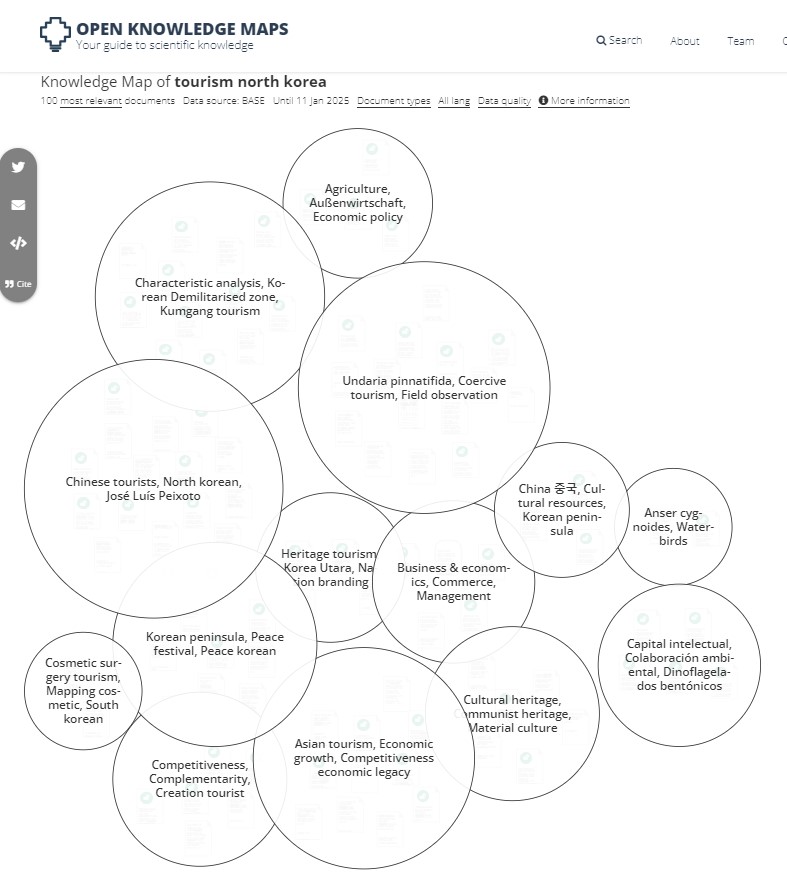
Ethical problems associated with travel to North Korea
The ethics of travelling to North Korea is fraught with complex considerations, often framed within the context of individual responsibility, political complicity, and the unintended consequences of tourism. Here are some of the ethical concerns:
Support for authoritarian regimes
A primary concern lies in the potential for financial contributions to the regime. Scholars such as Ouellette (2016) argue that tourism legitimises the leadership of Kim Jong Un and provides revenue that contributes to sustaining repressive state mechanisms. In North Korea, the tightly controlled state apparatus directs the majority of tourism income to the regime, which is widely accused of human rights abuses (Haggard & Noland 2017). Such contributions raise the ethical question of whether travellers inadvertently endorse or enable these violations through their participation.
“North Korea’s past vision and current designs for tourism—now defined as “socialist tourism”—point to both its role in the construction of a socialist economy and its manifold importance to Kim Jong Un as a means to legitimize his leadership, build his image, modernize the country, and strengthen his power base” (Ouellette 2020).
Propaganda pawn-ography
Another significant issue pertains to the perpetuation of state propaganda. Organised tours in North Korea are meticulously curated to present a highly sanitised and ideologically driven narrative (Connell 2019), insulating visitors from the harsh realities faced by the local population. Tourists, even when aware of these mechanisms, often become unwitting participants in legitimising the regime’s carefully constructed image on the global stage (Kim, 2021). This dynamic echoes broader discussions within critical tourism studies, which posit that visiting authoritarian states can symbolically validate the state’s legitimacy, regardless of travellers’ intentions (Kim et al 2007; Butcher 2002).

Putting locals in danger
Additionally, the ethical implications extend to the treatment of local residents. Visitors are often closely monitored by government-appointed guides, with any unsanctioned interaction between foreigners and North Korean citizens strictly forbidden (Lankov 2015), unless engaging with individuals who have been pre-vetted for interaction with foreigners. Such restrictions not only reflect the regime’s pervasive control over its populace but also highlight the asymmetry in the tourist-local relationship. Ethical travel, as advocated by, should prioritise cultural exchange and mutual understanding (Scheyvens 2002); however, in North Korea, these ideals are systematically undermined by state policies. This renders the notion of “ethical tourism” in such contexts particularly tenuous.
Human zoo and trauma porn
Finally, the commodification of suffering presents an ethical quandary unique to travel in North Korea. Numerous studies, including those by Lisle (2016) and Stone & Sharpley (2008), critique the “dark tourism” phenomenon, wherein travellers are drawn to sites associated with tragedy or oppression. In the case of North Korea, the spectacle of the regime’s repression becomes a focal point, raising concerns about the voyeuristic tendencies of international visitors and the exploitation of the local population’s hardships for leisure consumption.
“Looking out from my guesthouse window in Ch’ilbosan, the beautiful mountain region in the Northeast of North Korea, I watch a mother and father walk down a country road, each holding a hand of their small son and listening intently to his excited conversation. The tight grip with which the parents hold onto the little boy’s hands reminds me that in a few years’ time he will be leaving his family for mandatory national service of up to eight years in North Korea’s army. The family’s tanned skin, small frames and simple clothes betray their tough rural life in North Korea. The boy looks around ten or eleven, but North Korean children often appear much younger than their actual age, their physical development held back by chronic malnutrition and poor sanitation” (Campbell 2014).
Geopolitical angles
The broader geopolitical ramifications of travel to North Korea also warrant attention. Critics argue that such visits, even under the guise of fostering cultural diplomacy, may inadvertently undermine international efforts to isolate the regime economically and politically (Fifield 2019). The tourism industry’s engagement with North Korea often conflicts with sanctions regimes intended to curtail the state’s access to foreign currency (Seyfi & Hall 2019). This tension underscores the moral ambiguity faced by tourists who may prioritise personal or academic interests over collective efforts to address human rights violations.

Learning activity: Structured brainstorming
For an in-class learning activity focused on the ethical issues of travel to North Korea, structured brainstorming would be a particularly effective structured analytic technique (Pherson & Heuer 2020). This method is well-suited for small group discussions, as it encourages participants to collaboratively generate and organise ideas in a systematic way.
Structured brainstorming as classroom analytic technique
This activity is based on the instructions for structured brainstorming found in Randolph Pherson and Richards Heuer’s book Structured Analytic Techniques for Intelligence Analysis(2021, 188-194).
Structured brainstorming not only enables students to break down a complex issue into manageable components but also supports the development of higher-order analytical skills. By iteratively generating, categorising, and evaluating ideas, students learn to approach ethical dilemmas with nuance and a balanced perspective. Additionally, this method aligns well with academic goals of fostering collaborative learning and critical engagement.
There is a compelling rationale for why structured brainstorming is appropriate for evaluating this case study. Ethical dilemmas are inherently multifaceted, involving economic, political, and moral considerations. Structured brainstorming allows students to explore various dimensions of the topic, ensuring a rich and comprehensive discussion. The method facilitates deeper engagement by requiring students to think critically about each other’s contributions and build upon or challenge ideas within a guided framework.
The format fosters teamwork, as participants work together to categorise and evaluate ideas, which mirrors the complexities of ethical reasoning in real-world contexts. The structured nature of the technique ensures that all group members have opportunities to contribute, preventing dominant voices from overshadowing the discussion.

Activity instructions
This learning activity incorporates individual and small group learning tasks, both inside and outside of the classroom.
Preparation (completed individually)
Background: Prior to the class, students familiarise themselves with lecture content (for example, see my YouTube video above) and required readings (set by the instructor).
Initial brainstorming (in groups)
Discussion: In class, students divide into small groups (3-4 participants).
Definition: Ask each group to come up with a working definition of “dark tourism”.
Brainstorm: Ask each group to write down as many ideas as possible related to the ethical dimensions, harms and benefits of travelling to North Korea. They should not evaluate or filter these initial responses. Use sticky notes, a whiteboard, or P2P online collaborative documents to record contributions.
Categorisation and evaluation (in groups)
Coding: Once ideas are exhausted, have groups cluster related concepts into thematic categories (e.g., economic impacts, propaganda, cultural exchange).
Ranking: Groups arrive at a ranking of their categories, from most to least pressing ethical issue. In arriving at their rankings, groups should consider:
- The severity of the issue.
- Stakeholders affected.
- Ethical frameworks that might apply.
Presentation and discussion
Findings: Each group presents its findings to the class.
Reflection: Following group presentations, engage in a class-wide discussion to compare insights and draw connections between groups’ analyses.
Concluding thoughts
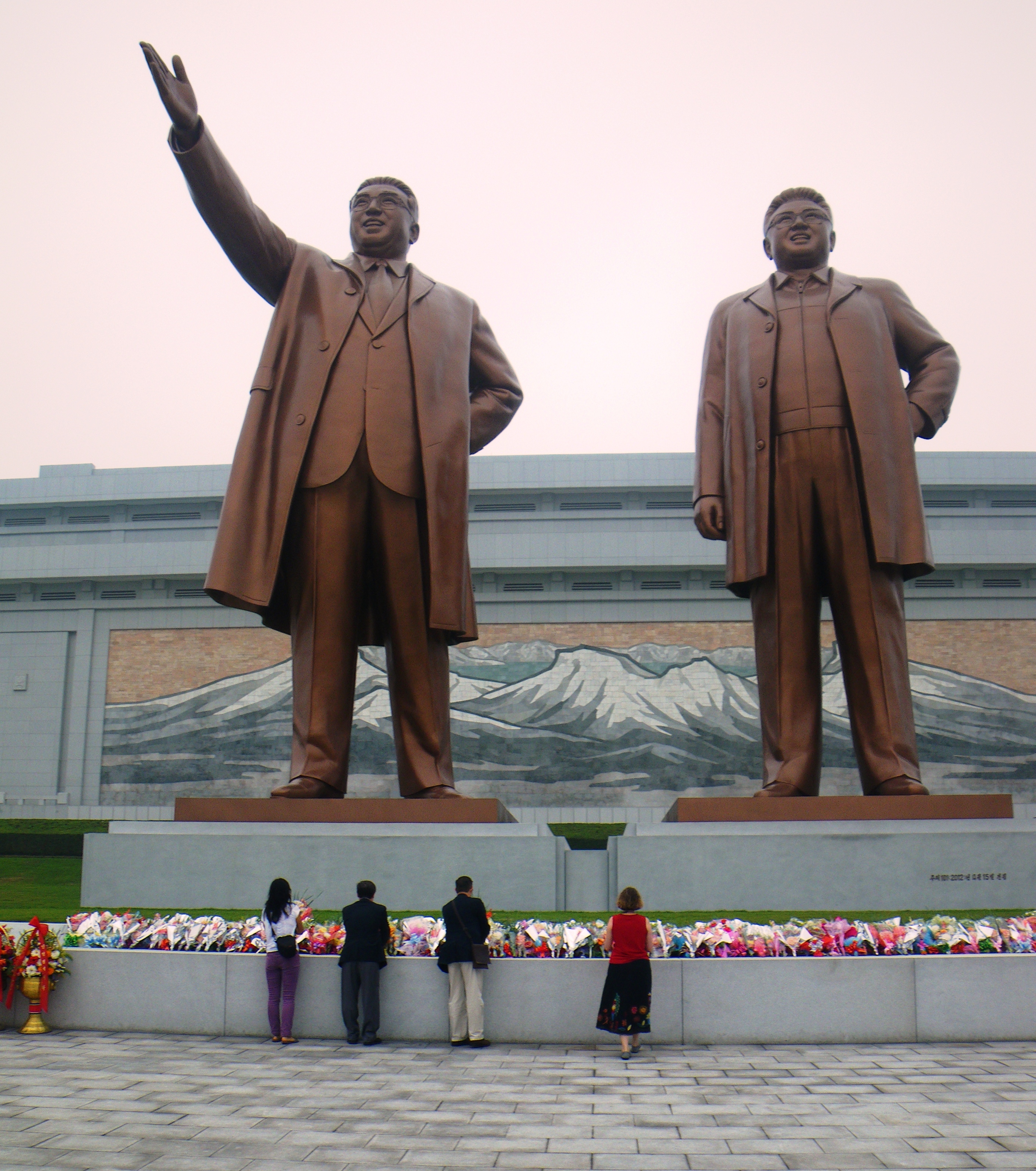
Travel to North Korea is fraught with ethical challenges that extend far beyond the personal motivations of tourists. Whether driven by academic curiosity, journalistic intent, or the desire to witness isolated nation first-hand, such visits contribute to a broader discourse on the role of tourism in authoritarian contexts. The commodification of suffering, the reinforcement of state propaganda, and the potential financial support for repressive regimes are critical concerns that must inform ethical decision-making in this realm. These dilemmas are further complicated by geopolitical dimensions, where the actions of individual travellers may inadvertently conflict with international sanctions and efforts to hold authoritarian governments accountable.
For students and educators in International Relations and Asian Studies, these issues offer rich opportunities for critical engagement, analysis, and debate. By utilising methods like structured brainstorming, learners can develop nuanced perspectives on the ethical responsibilities of global citizens in a world increasingly characterised by authoritarian and illiberal political systems.
Ultimately, the debate around travel to North Korea underscores the importance of ethical awareness and informed decision-making in navigating the intersection of tourism, politics, and human rights. In doing so, it challenges us to reflect on the broader implications of our interactions with authoritarian states and the responsibilities we bear in shaping a more just and equitable global community.

References
Aggarwal, A., Lim, W. M., Dandotiya, R., & Kukreja, V. (2024). Dark tourism through the lens of attachment theory and domestic tourists. International Journal of Tourism Research. 26(1), e2609.
Baranowski, S. (2022). Authoritarian Tourism. In Eric G. E. Zuelow, E. G. E. & James, K. J. (eds). The Oxford Handbook of Tourism History.
Butcher, J. (2002). The Moralisation of Tourism: Sun, Sand… and Saving the World? Routledge.
Campbell, E. (2014). “Fieldwork” Nort h Korea: Observations of daily life on the ground inside the country [北朝鮮での「フィールドワーク」 現場で観察する日常生活]. The Asia-Pacific Journal. 12(40/2).
Connell, J. (2019). Tourism as political theatre in North Korea. Political Geography. 68, 34-45.
Czermak, L., & Vogler, R. (2024). Light versus dark motives in dark tourism: a conceptualization from an ethical perspective. Current Issues in Tourism, 1–17.
Fifield, A. (2019). The Great Successor: The Divinely Perfect Destiny of Brilliant Comrade Kim Jong Un. John Murray.
Foley, M., & Lennon, J. J. (1996). JFK and dark tourism: A fascination with assassination. International Journal of Heritage Studies. 2(4), 198–211.
Habib, B. (2012). ”A “Strong and Prosperous Country”? Field Report from North Korea’. Australian Political Studies Association Conference. 24-26 September 2012. University of Tasmania, Hobart.
Haggard, S., & Noland, M. (2017). Hard Target: Sanctions, Inducements, and the Case of North Korea. Stanford University Press.
Hannam, K., & Knox, D. (2010). Understanding Tourism: A Critical Introduction. SAGE Publications.
Kim, Samuel Seongseop, Timothy, Dallen J., and Han, Hag-Chin. (2007). Tourism and political ideologies: A case of tourism in North Korea. Tourism Management. 28(4), 1031-1043.
Kim, S. (2010). Illusive Utopia: Theater, Film, and Everyday Performance in North Korea. University of Michigan Press.
Lankov, A. (2015). The Real North Korea: Life and Politics in the Failed Stalinist Utopia. Oxford University Press.
Lisle, D. (2016). Holidays in the Danger Zone: Entanglements of War and Tourism. University of Minnesota Press.
Ouellette, D. (2020). Understanding the “Socialist Tourism” of North Korea Under Kim Jong Un: An Analysis of North Korean Discourse. North Korean Review. 16(1), 55–81.
Ouellette, D. J. (2020). Understanding the “Socialist Tourism” of North Korea Under Kim Jong Un: An Analysis of North Korean Discourse. North Korean Review. 16(1), 55–81.
Randolph H. Pherson and Richards J. Heuer Jr. (2021) Structured Analytic Techniques for Intelligence Analysis. 3rd Ed. Thousand Oaks: SAGE and CQ Press.
Scheyvens, R. (2002). Tourism for Development: Empowering Communities. Pearson Education.
Seyfi, S., & Hall, C. M. (2019). Sanctions and tourism: effects, complexities and research. Tourism Geographies. 22(4–5), 749–767.
Sharpley, R. & Stone, P. R. (2009). The Darker Side of Travel: The Theory and Practice of Dark Tourism. Channel View Publications.
Smith, H. (2015). North Korea: Markets and Military Rule. Cambridge: Cambridge University Press.
Stone, P. R. (2013). Dark tourism scholarship: A critical review. International Journal of Culture, Tourism, and Hospitality Research. 7(3), 307–318.
Stone, P. R., & Sharpley, R. (2008). Consuming dark tourism: A thanatological perspective. Annals of Tourism Research, 35(2), pp. 574–595.
Su, X., Teo, P. (2009). The Politics of Heritage Tourism in China: A View from Lijiang. Taylor & Francis.
Turnell, S. (2011). Myanmar in 2010: Doors Open, Doors Close. Asian Survey. 51(1), 148–154.
 Edge Dwellers Café
[…] The IR classroom: Ethics of tourism to authoritarian states […]