
- BRIEFING NOTES
- What are the culture wars?
- Who initiated the culture wars?
- Culture wars in Australia
- Culture war and class consciousness
- Political logic of culture warfare for conservatives
- Political logic of culture warfare for progressives
- Philosophical differences between conservatives and progressives
- Impact of the culture wars on liberal democracies
- LEARNING ACTIVITY
- Conclusion
- Culture war glossary
- References

It is hard to look at the state of politics in liberal democracies in 2025 and not be struck by the ubiquity of frothing-at-the-mouth ideologues more concerned with trying to “own” the opposing team than in substantive policy debates. This depressing state of affairs is a manifestation of the culture wars.
Originally emerging from ideological conflicts over moral authority in the United States, the culture wars have evolved into a global phenomenon, deeply embedded in liberal-democratic political systems. In Australia, the culture wars have infected all policy domains, including economics, social policy, and foreign affairs, dumbing down political discourse and polarising public opinion.
For students of Political Science, understanding the culture wars is essential for analysing the interplay between cultural identity and power in democratic processes, and to be able to decipher the political logic of culture warfare as a conscious electoral strategy. Having taught Australian Politics and Comparative Politics across several universities, I believe a critical literacy in culture war bullshit is an essential skill for politics students.
This article serves as both an exploration and a pedagogical resource. It provided detailed briefing notes that unpack the historical lineage and political logic of culture wars, with specific reference to the Australian context. It examines how culture wars are deployed strategically to mobilise voters, neutralise class consciousness, and amplify societal divisions. It also provides a helpful glossary of culture war pejoratives that are mouthed regularly by conservative and progressive ideologues in political discourse.
The article then introduces a structured learning activity for undergraduate students to critically evaluate culture war dynamics. Centred on collaborative analysis and reflection, the activity encourages students to interrogate real-world case studies through thematic and narrative analysis, fostering deeper critical engagement with the culture war phenomenon.

BRIEFING NOTES
Students of Politics and International Relations should study the culture wars because these conflicts illuminate the intersection of identity, ideology, and power within and across political systems. Culture wars shape domestic and international agendas by framing policy debates as existential battles over values and societal norms.
Understanding culture wars enables students to critically analyse how political actors mobilise identity and moral narratives to garner support, distract from structural inequalities, and consolidate power. Furthermore, culture wars influence the legitimacy of democratic institutions, the stability of political coalitions, and the nature of global discourse on shared challenges, making them a critical lens for examining the dynamics of governance and conflict in an increasingly polarised world.
What are the culture wars?
The term “culture wars” has been extensively analysed in political science, sociology, and cultural studies, reflecting its pervasive impact on contemporary liberal-democratic political systems. Originating in the United States, the concept broadly refers to ideological conflicts between progressive and conservative values over social, moral, and cultural issues.
Hunter’s seminal work on the topic posits that culture wars are a “struggle to define the symbolic boundaries of public life” (Hunter 1991). This framework has since been adapted to examine similar phenomena in liberal democracies worldwide, including Australia, where the contestation of values intersects with local historical, social, and political dynamics (Maddox 2005; Hage 2015).
In liberal democracies, culture wars often reflect the polarisation of political ideologies, a phenomenon exacerbated by the rise of identity politics and the erosion of traditional political cleavages (Norris & Inglehart 2019; Fukuyama 2018). Many scholars identify cultural conflicts as symptomatic of deeper structural shifts, such as the decline of class-based politics and the emergence of post-materialist values, which have heightened tensions over issues like immigration, race, gender, and climate change (Inglehart 1997; Piketty 2020).
A growing body of literature situates culture wars within the broader dynamics of globalisation and neoliberalism, which have disrupted traditional socio-economic hierarchies and fostered a backlash against cultural pluralism (Brenner & Theodore 2002; Fraser 2019).

Who initiated the culture wars?
The use of “culture war” as a political strategy can be traced to the United States in the late 20th century, where it was popularised as a rhetorical and ideological framework by conservative thinkers and politicians. James Davison Hunter’s seminal 1991 work, Culture Wars: The Struggle to Define America, was pivotal in conceptualising these conflicts, framing them as a clash between “orthodox” and “progressive” worldviews over moral authority and cultural dominance.
However, the political instrumentalisation of culture wars emerged prominently during the Nixon administration’s “Southern Strategy” in the 1960s and 1970s, which sought to appeal to socially conservative voters by emphasising traditional values, patriotism, and opposition to perceived liberal overreach (Carter 2000; Lassiter 2006).
Conservatives are culture warriors on offence
Conservatives have historically employed the framing of culture wars more frequently and explicitly as a political strategy. This tendency stems from their association with defending traditional social hierarchies and cultural norms. For instance, the Reagan administration in the 1980s amplified issues like opposition to abortion, prayer in schools, and the rejection of LGBTQ+ rights to galvanise the Religious Right and consolidate a broader conservative coalition (Frank 2004; Williams 2010).
Culture war framing allowed conservatives to present themselves as protectors of cultural stability amidst rapid social changes brought by the civil rights movement, second-wave feminism, and the sexual revolution (Hunter 1991; Luker 2006). More recently, figures like Donald Trump have invoked culture war rhetoric on immigration, race, and gender to energise a populist base, often using highly polarising language (Norris & Inglehart 2019; Hochschild 2016).
Progressives are culture warriors on defence
Progressives, on the other hand, have historically been more reactive in their engagement with culture war framing, often focusing on advancing rights-based discourses, such as gender equality, racial justice, and LGBTQ+ rights. While these movements have driven significant social progress, they were initially articulated through the language of justice and equality rather than through the explicit invocation of “culture wars” (Fraser 1997).
In recent years, however, progressive leaders and activists have increasingly embraced culture war narratives, particularly as a response to conservative backlash on issues like reproductive rights, climate action, and systemic racism (Hochschild 2016; Mouffe 2005). Digital media platforms have enabled the proliferation of progressive activism, with movements like Black Lives Matter and #MeToo employing culture war rhetoric to challenge entrenched structures of power and inequality (Banet-Weiser 2018; Bonilla & Rosa 2015).
Despite progressives’ growing use of culture war strategies, conservatives remain more adept at framing these conflicts as existential battles for societal preservation, which aligns with their ideological focus on tradition and order (Skocpol & Williamson 2012; Williams 2010). Moreover, the structural advantages of conservative media ecosystems, particularly in the United States and Australia, have allowed for the sustained amplification of culture war issues that resonate with socially conservative audiences (McKnight 2010).

Culture wars in Australia
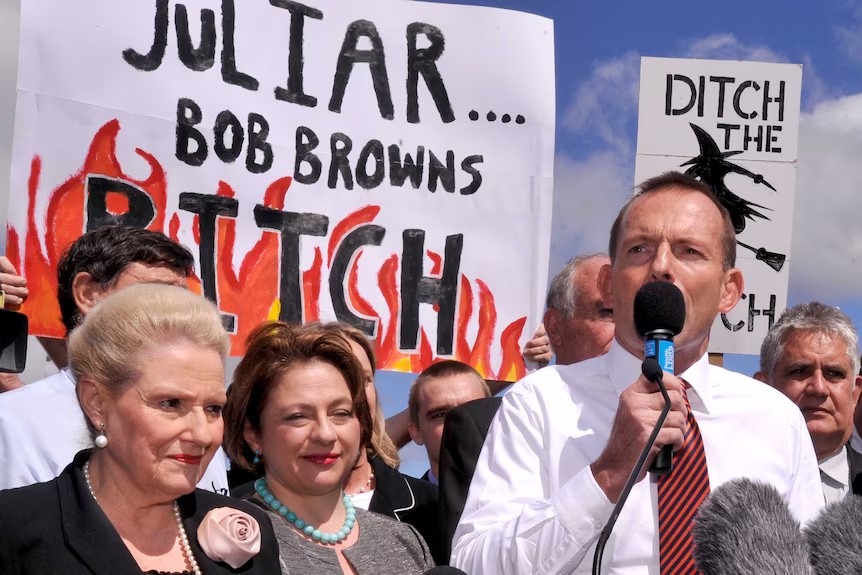
In the Australian context, neoliberal economic reforms have been accompanied by a populist resurgence that weaponises cultural grievances to mobilise political support (Moffitt 2016; Brett 2017). Conservative politicians and commentators have employed culture war strategies with considerable success, often framing debates over national identity, multiculturalism, and Indigenous rights in opposition to perceived “progressive elitism” (Hage 2015; Brett 2017).
National identity
The Howard government, for example, capitalised on culture war rhetoric to consolidate support among suburban and rural voters, particularly on issues like asylum seeker policy, the role of ANZAC mythology, and Indigenous land rights (Maddox 2005). Progressive movements in Australia, while increasingly vocal, often struggle to match the structural advantages of conservative framing in mainstream media and political discourse (Carlson & Frazer 2021; Lake et al 2010).
This interplay of economic and cultural factors is particularly evident in the discourse surrounding Australia’s treatment of asylum seekers, which has been framed as a defence of national sovereignty and cultural identity against perceived threats (Goot & Watson 2005; Maddison 2009), as well as in debates over Indigenous recognition, same-sex marriage, and environmental policy, which have frequently divided political elites and the broader electorate (Moran 2011; Fenna & Manwaring 2021).
History wars
Historical legacies and national identity remain central to the Australian iteration of the culture wars, as debates over the legacy of colonialism and the commemoration of historical figures like Captain Cook reveal deeper tensions over the nation’s past and its implications for contemporary identity politics (Lake et al 2010; Healy, 2019). Similarly, the contested status of Australia Day and the Uluru Statement from the Heart exemplify the struggle to reconcile competing visions of national identity within a liberal-democratic framework (Botterill 2025).
Partisan media
Digital media has further intensified the culture wars, amplifying polarisation and enabling the proliferation of misinformation and partisan narratives (Sunstein 2018; Marwick & Lewis 2017). In Australia, the role of media conglomerates, particularly News Corp, in shaping public opinion and driving cultural debates has been a focal point of scholarly inquiry (McKnight 2010). Social media platforms have also been identified as key sites for the mobilisation of cultural conflict, facilitating both progressive activism and right-wing backlash (Cameron & McAllister 2019; Carlson & Frazer 2021).
Cultural values
Finally, scholars have drawn attention to the role of institutional and legal frameworks in mediating the culture wars, noting how the High Court of Australia and federal parliamentary debates serve as arenas for the contestation of cultural values (Galligan 1995; Sawer & Radford 2008). These institutions often reflect broader societal divisions, highlighting the limitations of liberal democracy in resolving deeply entrenched cultural conflicts (Habermas 1996; Mouffe 2005).
Culture war and class consciousness
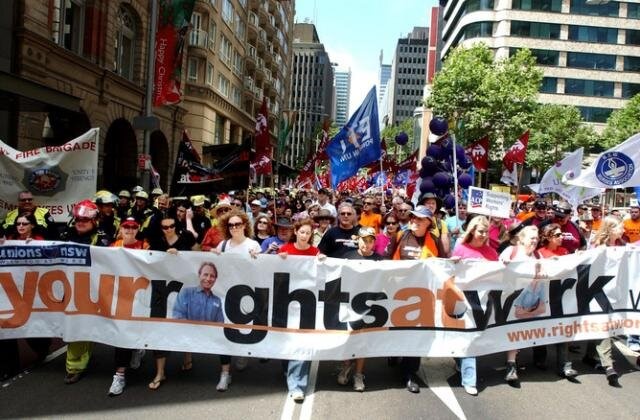
Conservative culture warfare effectively neutralises class consciousness by reframing political and economic struggles as cultural or moral conflicts, redirecting attention away from systemic inequalities and capitalist power dynamics. This strategy exploits identity-based divisions, appeals to emotional and moral concerns, and aligns working-class interests with elite-driven cultural narratives, thereby fragmenting potential class solidarity. The historical and contemporary success of this approach reveals its adaptability and enduring influence in liberal-democratic political systems.
Reframing economic inequality as cultural conflict
Conservative culture warfare displaces class-based critiques of capitalism by framing societal tensions in cultural terms, such as patriotism, religion, or traditional values. Rather than addressing economic grievances as outcomes of systemic inequalities, conservatives present them as symptoms of cultural decay or progressive overreach (Frank 2004; Hochschild 2016). For example, debates over immigration are often recast as threats to national identity, diverting attention from the role of neoliberal policies in driving wage stagnation and job insecurity (Norris & Inglehart 2019).
Cultural narratives allow conservatives to moralise economic issues, portraying poverty or inequality as personal failings rather than structural problems. By emphasising virtues like hard work, self-reliance, and individual responsibility, conservative rhetoric shifts blame onto individuals rather than economic systems, weakening class consciousness (Hochschild 2016; Murray 2015).
Exploiting identity divisions
Conservative culture wars fracture class solidarity by amplifying divisions along lines of race, religion, ethnicity, and gender. For instance, in the United States, the “Southern Strategy” utilised racial resentment to realign white working-class voters with conservative elites, undermining alliances with Black workers (Carter 2000; Lassiter 2006). Similarly, in Australia, debates over Indigenous rights and multiculturalism have been used to polarise voters, distracting from shared economic concerns (Hage 2015; Brett 2017).
Nationalism and religion are powerful tools in neutralising class consciousness by creating cross-class identities that overshadow economic divisions. By framing conservative elites as protectors of national sovereignty or religious values, culture war strategies foster a sense of shared purpose between economically disadvantaged voters and their wealthier counterparts (Hunter 1991; Scruton 2014).
Aligning working-class interests with elite narratives
Conservative culture warfare frequently adopts populist rhetoric, pitting “ordinary people” against “progressive elites” (Moffitt 2016). This framing aligns working-class voters with conservative elites by presenting progressives as culturally disconnected and disdainful of traditional values. For example, conservative politicians and media outlets often depict urban, educated elites as out of touch with rural or suburban working-class concerns, even as these same elites benefit from the economic status quo (Norris & Inglehart 2019; McKnight 2010).
By foregrounding cultural issues, conservatives obscure the economic policies that benefit elites while harming the working class, such as tax cuts for the wealthy, deregulation, and austerity measures (Harvey 2005). Cultural debates dominate public discourse, reducing scrutiny of these policies and undermining potential class-based critiques (Fraser 1997; Frank 2004).
Normalising inequality through cultural legitimacy
Conservative culture wars often frame economic hierarchies as natural or divinely ordained, reinforcing acceptance of inequality. For instance, traditional family values and gender roles are used to justify wage disparities and unpaid labour, particularly among women (Luker 1984; Scruton 2014). Similarly, meritocratic narratives are invoked to legitimise wealth accumulation by elites, casting economic success as a result of individual effort rather than systemic privilege (Murray 2015; Sandel 2020).
Efforts to address economic inequality are often reframed as threats to personal freedom or cultural integrity. For example, conservatives depict progressive tax policies or social welfare programs as forms of wealth confiscation or as fostering dependency, undermining support for redistributive measures (Hayek 1944; Nozick 1974). By associating these policies with cultural stigmas, conservatives diminish their appeal even among those who would benefit most.
Consequences for class consciousness
Conservative culture warfare neutralises class consciousness by redirecting attention to cultural and moral conflicts, fragmenting potential alliances among economically disadvantaged groups, and aligning working-class voters with elite interests.
The emphasis on cultural divisions fragments potential coalitions among economically disadvantaged groups, weakening collective bargaining power and political advocacy for redistributive policies (Fraser 1997). This fragmentation entrenches economic inequality by diffusing opposition to elite-driven policies.
Culture wars polarise political discourse, making it harder to form consensus on economic reforms. As cultural issues dominate elections and public debate, systemic critiques of capitalism and inequality are sidelined (Mason 2018; Hochschild 2016). This strategy obscures systemic inequalities and reinforces acceptance of the status quo, posing a significant challenge to progressive movements seeking to address class-based injustices.
Political logic of culture warfare for conservatives
The political logic of conservatives utilising the culture war as an electoral strategy is rooted in its ability to mobilise core constituencies, create stark contrasts with progressive opponents, and frame societal debates in moral and emotional terms that resonate with voters. Culture war issues—such as debates over immigration, gender, race, religion, and national identity—are particularly effective in shaping public opinion because they tap into voters’ values, identities, and fears, often overshadowing more complex economic or policy discussions. This strategy has historical precedents and contemporary applications, revealing its adaptability to different political contexts.
Mobilising core constituencies
Conservatives use culture war issues to galvanise socially conservative voters who feel alienated by the pace of cultural and social change. Issues like abortion, same-sex marriage, religious freedom, and gender roles resonate strongly with these groups, particularly in regions where traditional values remain dominant (Hunter 1991). By positioning themselves as defenders of tradition, conservatives reinforce loyalty among these voters, often securing high turnout from religious or rural communities.
Culture war rhetoric often invokes fears about cultural displacement, moral decay, or threats to national identity. This emotional appeal can unite diverse conservative factions around a shared perception of existential threat (Norris & Inglehart 2019). For example, anti-immigration messaging highlights concerns about cultural assimilation and job security, even when the economic basis of these fears is tenuous (Hochschild 2016; Hage 2015).
Simplifying complex issues
Culture war strategies reduce nuanced societal issues into binary moral choices—good versus evil, tradition versus chaos, patriotism versus betrayal. This simplification creates clear distinctions between conservative and progressive platforms, making it easier to communicate and mobilise around these issues during elections (Lakoff 2005). For example, framing debates over transgender rights as conflicts over “protecting women’s spaces” simplifies the issue into a moral imperative that conservatives can rally behind.
By foregrounding cultural issues, conservatives can shift attention away from policy domains where they may face vulnerabilities, such as healthcare, income inequality, or climate change (McKnight 2010; Brett 2017). Cultural debates often dominate media coverage and public discourse, allowing conservatives to sidestep difficult economic questions while energising their base.
Creating electoral polarisation
Culture wars create sharp ideological contrasts between conservatives and progressives, deepening political polarisation. By framing progressives as “radicals” who threaten societal values, conservatives position themselves as protectors of stability and common sense. This tactic can lock in voter loyalty, particularly among groups resistant to rapid cultural change (Mason 2018; Moffitt 2016).
The culture war strategy capitalises on negative partisanship, where voters are motivated less by support for their own party than by fear or hatred of the opposition (Abramowitz & Webster 2016). By portraying progressives as extreme or out of touch—often using pejoratives like “woke” or “elitist”—conservatives energise their base by defining themselves in opposition to these caricatures (Cammaerts 2022).
Exploiting media ecosystems
The rise of conservative media ecosystems, such as Fox News in the United States or News Corp in Australia, has facilitated the effective use of culture war narratives. These outlets amplify conservative messaging, framing cultural issues as central to the political agenda and ensuring they dominate public discourse (McKnight 2010; Carlson & Frazer 2021).
Culture war issues thrive in the outrage-driven dynamics of social media. Platforms like Twitter and Facebook amplify polarising content, enabling conservatives to spread their messages widely and rapidly (Marwick & Lewis 2017). The emotional intensity of cultural debates often ensures high engagement, further entrenching the visibility of these issues in electoral campaigns.
Defensive strategy against progressives
Conservatives often frame culture war issues as efforts to “restore” or “preserve” traditional values perceived to be under attack by progressive movements. This framing positions conservatives as defenders of moral and cultural norms, even when these norms have historically excluded marginalised groups (Scruton 2014; Williams 2010).
Culture war rhetoric frequently portrays progressives as elitist or disconnected from ordinary people. This populist framing, evident in phrases like “coastal elites” in the United States or “inner-city leftists” in Australia, resonates with voters who feel culturally alienated or economically neglected (Hochschild 2016; Norris 2011).
Limitations and risks
While effective in mobilising conservative bases, culture war strategies carry risks. They may deepen political polarisation, alienate moderate voters, and contribute to societal fragmentation (Mason 2018). Moreover, by focusing on cultural issues, conservatives risk neglecting substantive policy challenges, which may undermine their governance credibility.
Political logic of culture warfare for progressives
For progressives, engaging in culture warfare serves as a strategic means of advancing social justice, reshaping societal norms, and challenging entrenched power structures. While culture wars are often associated with conservative strategies, progressives utilise cultural conflict to mobilise support, draw attention to systemic inequities, and redefine the boundaries of public discourse. This approach reflects a distinct political logic aimed at achieving moral, cultural, and institutional transformation.
Advancing social justice and equity
Culture warfare enables progressives to bring issues of race, gender, sexuality, and class into the public sphere, challenging systems of marginalisation. By framing these struggles as moral imperatives, progressives galvanise support for movements like LGBTQ+ rights, racial justice, and feminism (Fraser 1997; Taylor 2016). Campaigns for same-sex marriage, gender equality, or Black Lives Matter exemplify efforts to make visible the lived realities of marginalised groups, reframing public debate around justice and inclusion.
Progressives often engage in culture warfare to redefine what is considered acceptable or ethical in public life. For instance, debates over the removal of colonial monuments, recognition of Indigenous land rights, or representation in media are framed as necessary steps in addressing historical injustices and fostering a more equitable society (Lake et al 2010). These battles challenge the dominant cultural narratives that sustain inequality, aiming to create a more inclusive societal framework.
Mobilising support and building movements
Progressive culture warfare frequently appeals to identity-based solidarity, fostering coalitions around shared experiences of oppression. This mobilisation strategy, rooted in the logic of intersectionality, highlights how various forms of discrimination—such as racism, sexism, and classism—intersect and compound (Crenshaw 1991). By foregrounding these intersections, progressives aim to unite diverse constituencies in pursuit of common goals.
The internet and social media platforms are central to progressive culture warfare, enabling activists to amplify their messages and organise grassroots campaigns. Movements like #MeToo and Fridays for Future demonstrate how progressive cultural conflict can rapidly gain global traction, leveraging digital tools to build awareness and pressure political institutions (Banet-Weiser 2018; Arora et al 2022). These platforms provide progressives with direct access to public discourse, bypassing traditional gatekeepers like mainstream media.
Framing public debate
Progressive culture warfare often frames issues as moral imperatives rather than mere policy disputes. This approach compels political actors and the public to take definitive stances, as seen in debates over climate action or reproductive rights (Mouffe 2005; Rawls 1999). By moralising these issues, progressives aim to establish a clear ethical consensus and delegitimise opposing views as regressive or harmful.
Cultural conflicts allow progressives to set the political agenda, forcing institutions and policymakers to address issues they might otherwise ignore. For instance, the global discourse on climate change has been significantly shaped by progressive activism, pressuring governments to commit to ambitious environmental policies (Klein 2014). Similarly, campaigns for Indigenous recognition and reparations have reshaped national conversations in countries like Australia and Canada (Dodson 1994; Coulthard 2014).
Challenging conservative dominance
Engaging in culture warfare enables progressives to counteract the dominance of conservative narratives and institutions. By challenging traditional norms around family structures, religion, and gender roles, progressives aim to dismantle the cultural hierarchies that sustain inequality (Fraser 1997; Hage 2015). These efforts often involve contesting the legitimacy of conservative framing, such as reframing abortion as a matter of reproductive freedom rather than morality (Luker 1984).
In contexts where conservative culture wars invoke nationalism, progressives engage in counter-warfare to redefine national identity in more inclusive terms. For example, in Australia, debates over the Uluru Statement from the Heart and the status of Australia Day highlight progressive efforts to challenge colonial narratives and promote reconciliation (Lake et al 2010; Botterill 2025).
Risks and critiques
While culture warfare can be a powerful tool for progressives, it carries risks that complicate its political logic. Overemphasis on cultural issues may alienate potential allies or obscure structural economic inequalities, as critics like Fraser (1997) and Michaels (2006) have noted. Additionally, the moralisation of politics can deepen societal polarisation, making consensus and compromise more difficult to achieve (Mason 2018).
Despite these challenges, progressive culture warfare remains a critical strategy for addressing injustice and driving societal change. By leveraging cultural conflict, progressives seek not only to contest existing power structures but also to reimagine the social and moral foundations of liberal-democratic societies.

Philosophical differences between conservatives and progressives
The culture wars are deeply rooted in fundamental differences in cosmological, ontological, teleological, and ideological worldviews between conservatives and progressives. These differences shape their respective interpretations of morality, society, and governance, creating the deep divides that underpin contemporary cultural and political conflicts.
Ideological differences
At the ideological level, conservatives and progressives diverge sharply in their attitudes toward change, authority, and the role of government. Conservatives prioritise the preservation of tradition, viewing it as the repository of accumulated wisdom that guides societies toward stability and continuity (Huntington 1981; Burke 1790). Authority is often understood as a stabilising force, with scepticism directed at overreaching state power unless it serves to uphold moral and cultural norms (Scruton 2014).
Progressives, by contrast, champion innovation and reform, arguing that traditions and institutions must evolve to address injustices and adapt to changing circumstances (Dewey 1997; Marcuse 1964). They advocate for the expansion of individual freedoms and government intervention in the form of social policies and protections to achieve equity and safeguard marginalised groups (Rawls 1999; Fraser 1997).
Conservatives typically adhere to ideological principles that stress individual responsibility, limited government, and free-market capitalism, which they argue foster economic efficiency and personal liberty (Hayek 1944; Nozick 1974). In contrast, progressives place greater emphasis on collective responsibility, the regulation of markets to address inequality, and the role of the state in ensuring social welfare (Sen 1999; Piketty 2020).
Cosmological differences
The contrast in ideologies between conservatives and progressives are rooted in deeper philosophical divergences.
For example, cosmology, as the philosophical understanding of the nature and origin of the universe, informs conservative and progressive worldviews in distinct ways. Conservatives often draw on a cosmological framework rooted in religious or metaphysical traditions that emphasise order, hierarchy, and divine purpose (Hunter 1991; McClay, 2004). This view tends to frame the universe and society as governed by immutable laws, reflecting a “Great Chain of Being” structure in which each entity has a designated role (Lovejoy 1936). For instance, in Judeo-Christian traditions, which strongly influence Western conservatism, human purpose is often understood as being in service to divine will, with moral principles derived from sacred texts (Kirk 1986).
In contrast, progressives are often informed by a cosmological outlook that embraces scientific naturalism and secular humanism, which posit that the universe is governed by observable, natural laws rather than divine intervention (Dennett 1995; Sagan 2011). This cosmology supports a belief in human agency, adaptability, and the capacity for self-determination, rejecting fixed hierarchies and instead emphasising the dynamic, evolving nature of societal and moral frameworks (Taylor 1989). Consequently, progressives are more likely to advocate for the transformation of social structures to align with principles of equality and justice.
Ontological differences
Ontological differences—pertaining to the nature of existence and being—manifest in contrasting views of human nature. Conservatives often adhere to an ontological framework that sees human beings as inherently flawed or limited, requiring the guidance of tradition, authority, and institutions to restrain destructive tendencies (Scruton 2014; Burke 1790). This perspective supports a scepticism of rapid societal change and an emphasis on the preservation of established norms and values.
Conversely, progressives adopt an ontology that views humans as fundamentally capable of growth, improvement, and rational self-governance. Rooted in Enlightenment ideals, this view emphasises the potential for moral and intellectual progress through education, reason, and collective action (Condorcet 1795; Mill 1859). Progressives see societal imperfections as products of oppressive structures rather than inherent human limitations, prioritising systemic reform to unlock human potential.
Teleological differences
Teleology concerns the purpose or end goal of human existence and societal organisation. Conservatives often operate within a teleological framework that envisions a stable and ordered society as the ultimate aim. This perspective emphasises continuity, duty, and the fulfilment of roles within a predefined moral and social order (Oakeshott 1962; Kirk 1986). For example, traditional family structures, gender roles, and cultural norms are seen as essential to achieving social harmony and transmitting values across generations (Murray 2015; Scruton 2014).
Progressives, on the other hand, advocate for a teleology that centres on emancipation, equality, and social justice. This framework seeks to dismantle oppressive systems and create a society in which individuals can pursue self-actualisation free from discrimination or systemic constraints (Rawls 1999; Freire 1970). Progressives’ vision of the “good society” often includes a commitment to inclusivity, diversity, and the redistribution of power and resources to correct historical inequities.
Existential battles for the future of society
These cosmological, ontological, teleological, and ideological differences converge in the culture wars, where they underpin opposing stances on key issues. By framing these conflicts as existential battles for the future of society, both conservatives and progressives mobilise their foundational worldviews to shape public opinion and political outcomes. However, the enduring nature of these differences ensures that culture wars remain a persistent feature of liberal-democratic systems.

Impact of the culture wars on liberal democracies
The culture wars represent a significant challenge to the health of liberal-democratic political systems, as they exacerbate political polarisation, undermine democratic deliberation, and distort institutional priorities. While ostensibly debates over values, these conflicts often serve as proxies for deeper socio-economic grievances and struggles for power, leading to their entrenchment as intractable divides that strain the capacity of liberal democracies to function effectively (Hunter 1991; Mouffe 2005). This critique evaluates the culture wars from the perspective of their impact on the foundational principles of liberal democracy: pluralism, deliberation, and institutional legitimacy.
Political polarisation and the erosion of pluralism
One of the most concerning consequences of the culture wars is their role in deepening political polarisation. In liberal democracies, pluralism requires a diversity of values and perspectives to coexist within a shared political framework. However, culture wars often frame disagreements as existential conflicts, casting opponents not merely as ideological adversaries but as moral threats to the nation’s identity and future (Sunstein 2018; Mason 2018). This dynamic undermines the possibility of compromise and fosters a zero-sum political culture in which the accommodation of alternative viewpoints is seen as a betrayal of core principles (Norris & Inglehart 2019).
For example, in the United States and Australia, debates over issues like immigration, gender rights, and climate change are frequently framed in apocalyptic terms, with both sides portraying the other as irredeemably hostile to democracy, freedom, or national identity (Hochschild 2016; Brett 2017). This polarisation disrupts the liberal-democratic ideal of a marketplace of ideas, where competing views are debated on their merits. Instead, culture wars create echo chambers and ideological silos, amplified by partisan media and social media platforms that reward outrage and ideological purity (Sunstein 2018; Carlson & Frazer 2021).
Undermining deliberative democracy
The culture wars also erode the deliberative processes that are central to the health of liberal democracies. Deliberative democracy relies on reasoned debate and the capacity of citizens to engage constructively with competing viewpoints to arrive at consensus or compromise (Habermas 1996; Gutmann & Thompson 2009). The culture wars, however, prioritise symbolic gestures, identity-driven rhetoric, and the mobilisation of emotion over substantive policy debate (Lukes 1974; Mouffe 2005). This emphasis on cultural identity over practical governance distracts from pressing socio-economic challenges and stymies policymaking.
For instance, in Australia, debates over symbolic issues like the status of Australia Day or the commemoration of colonial history have often overshadowed more immediate policy concerns, such as housing affordability, health care, and economic inequality (Lake et al 2010). While these cultural debates are not unimportant, their dominance within public discourse risks crowding out deliberation on issues that require urgent attention and compromise.
Institutional distrust and legitimacy crises
Culture wars contribute to a broader crisis of institutional trust and legitimacy in liberal democracies. Polarisation and the framing of cultural debates as existential battles often lead to the perception that democratic institutions—such as courts, parliaments, and the media—are partisan tools rather than neutral arbiters or forums for public debate (Norris 2011; McKnight 2010). This perception weakens public confidence in these institutions, reducing their capacity to mediate conflicts and uphold democratic norms.
In Australia, for example, the High Court has faced criticism from conservatives over decisions perceived as advancing progressive agendas, such as rulings on Indigenous land rights and asylum seekers (Galligan 1995; Maddison 2009). Similarly, the role of media conglomerates in driving partisan narratives around cultural issues has exacerbated distrust in journalism, further polarising public opinion and eroding the capacity for shared democratic dialogue (Carlson & Frazer 2021).
Distraction from structural inequalities
Finally, the culture wars divert attention from underlying structural inequalities that pose a more fundamental threat to the health of liberal democracies. While cultural debates often centre on symbolic issues, they can obscure the socio-economic injustices that fuel discontent and destabilise democratic systems (Fraser 1997; Piketty 2020). For instance, populist leaders in liberal democracies frequently weaponise culture wars to deflect attention from economic policies that exacerbate inequality, thereby exploiting cultural grievances for political gain while neglecting substantive reform (Moffitt 2016; Brenner & Theodore 2002).
In Australia, this dynamic is evident in the framing of debates over immigration and asylum seekers, which are often cast as cultural threats rather than discussions about the structural drivers of migration, such as global inequality and conflict (Hage 2015; Goot & Watson 2005). Similarly, debates over gender and race are frequently reduced to cultural symbolism, such as representation in media or public life, without addressing the systemic economic disparities that underpin these inequities (Fraser 2019; Maddison 2009).
From the perspective of liberal-democratic health, the culture wars represent a significant challenge to the principles of pluralism, deliberation, and institutional trust. While cultural debates are a natural and necessary aspect of democratic societies, their instrumentalisation as polarising political strategies undermines the democratic ethos and diverts attention from pressing structural issues. Addressing these dynamics requires fostering spaces for constructive dialogue, strengthening democratic institutions, and reorienting public discourse toward substantive policy challenges.
LEARNING ACTIVITY
Critical evaluation of the culture wars in comparative politics
This activity engages undergraduate Comparative Politics students in a critical evaluation of the culture wars through individual preparation, collaborative in-class discussions, and reflective reporting. Students will focus on Australian case studies across economics, social policy, and foreign affairs, developing analytical skills while applying theoretical frameworks from course readings.
Learning outcomes
By completing this activity, students will:
- Understand the dynamics of culture wars in liberal democracies, particularly in the Australian context.
- Apply theoretical frameworks to analyse specific case studies in economics, social policy, and foreign affairs.
- Develop collaborative research and discussion skills.
- Synthesise complex ideas into concise, reflective writing.
Phase 1: Preparation (individual, pre-class)
Objective: Build foundational knowledge of the culture wars and prepare students to analyse specific case studies.
Content Review: Students watch a pre-recorded lecture or content video (20–30 minutes) explaining:
- The origins and dynamics of culture wars.
- How culture wars manifest in economics, social policy, and foreign affairs.
- The role of political actors and media in shaping culture war narratives.
- The Australian context, including notable examples.
Lecture includes discussion of key terms (e.g., polarisation, identity politics) and frameworks (e.g., framing theory, critical discourse analysis).
Required readings: Read one scholarly article or book chapters for each policy domain (economics, social policy, foreign affairs), set by the instructor (the References list below may be helpful here).
Guiding Questions: Students write brief responses to the following, as preparatory notes for the upcoming class discussion:
- What are the key characteristics of culture wars in liberal democracies?
- How do cultural and moral issues intersect with economic, social, and foreign policy debates?
- What factors drive polarisation in Australian politics?
Phase 2: In-class (2-Hour seminar, collaborative)
Objective: Evaluate specific Australian culture war case studies in small groups and discuss broader implications.
Introduction (15 minutes): Instructor reviews the seminar structure and objectives, including recap of key concepts from preparation materials, with Q&A.
Group activity: Students form small groups (3–4 per group) and are assigned one policy domain (economics, social policy, or foreign affairs). Each group selects a specific culture war case study from their assigned domain, using preparation materials and additional internet research.
Once case studies have been chosen, groups engage in the following:
Research (30 minutes): Students use their devices to investigate the historical context, key actors, media narratives, and public responses to their case study.
Discussion (30 minutes): Groups critically analyse their case study, addressing:
- How did this issue become a culture war battleground?
- What narratives or framing strategies were employed by political actors and the media?
- What were the broader social and political consequences of this debate?
Cross-Group Engagement (30 minutes): Groups rotate to briefly share findings with others, comparing dynamics across policy domains.
Wrap-Up (15 minutes): Instructor facilitates a debrief, summarising key insights from group discussions and highlighting connections between cultural, economic, and political factors.
Phase 3: Reflection/reporting (post-class, individual)
Objective: Synthesise group discussions and personal reflections into a concise, analytical blog post.
Blog post assignment: Students write a 500-word blog post analysing their group’s case study and reflecting on the culture wars’ broader implications for Australian politics. Posts should:
- Identify the chosen case study and its significance.
- Summarise group findings, including references to preparation materials.
- Critically evaluate how culture wars affect democratic deliberation and policymaking.
- Include citations from the lecture, required readings, and additional sources from in-class research.
Submission: Students post their blogs on a shared course platform or discussion board to encourage peer review and engagement.
Assessment Criteria: Students should make sure that their blog addresses the following criteria:
- Depth of analysis and critical thinking.
- Integration of lecture content, readings, and in-class discussion.
- Clarity of writing and proper citation of sources.

Conclusion
The culture wars represent a significant challenge to the health of liberal-democratic systems, reshaping political agendas and public discourse in ways that both obscure underlying structural inequalities while raising the temperature of partisan political contestation and polarising electorates.
For students and academics alike, critically evaluating the culture wars is essential for understanding how identity, ideology, and power intersect in political life. By examining specific case studies from Australian politics, this learning activity equips students with the tools to analyse the broader implications of culture wars for democratic governance and societal cohesion. Through the combination of preparation, collaborative discussion, and reflective writing, the activity encourages students to engage deeply with both theoretical frameworks and practical examples. It fosters critical thinking, collaborative learning, and the application of comparative political analysis to contemporary challenges.
For educators, the structured format provides a scaffolded approach to teaching a complex and often contentious topic, ensuring students leave with a nuanced understanding of the culture wars’ impact on modern politics. By bridging theory and practice, this activity underscores the value of comparative political inquiry in addressing the pressing issues of our time.
Culture war glossary
Both conservatives and progressives weaponise language to caricature their opponents, reducing complex ideologies to simplistic, derogatory stereotypes. The strategic use of pejoratives fosters in-group solidarity while delegitimising out-group perspectives, intensifying the culture wars. Historically, these terms reflect broader anxieties about shifting power dynamics—whether related to class, race, gender, or generational divides.
Critically, these terms also reflect the evolution of political discourse in liberal democracies, where polarisation has encouraged the personalisation of ideological conflict. The increasing reliance on such rhetoric risks undermining constructive dialogue, deepening divisions rather than fostering mutual understanding.
Below is a brief glossary of pejorative terms that conservatives and progressives often use against each other in political debates, explained in the specific context of their use in culture war discourses. Remember, when used in this context, these phrases are essentially just rock-throwing and are largely devoid of their broader meaning.
Authoritarian
Conservatives have increasingly used this adjective in the 21st century to critique progressives as enforcing “political correctness” and suppressing dissent. Historically, it emerged from Cold War-era critiques of Marxism as inherently authoritarian (Arendt 1951). Progressives are described as “authoritarian” in debates over free speech, cancel culture, and social media censorship, with conservatives arguing that progressive cultural norms are imposed coercively (Lukianoff & Haidt 2018).
Bigot
While its precise origins are debated, “bigot” gained prominence in the modern era as a denunciation of intolerance, particularly in relation to race, gender, or sexuality. The term became especially salient during the civil rights movement of the 20th century (King 1963). Progressives use “bigot” to condemn conservative positions on issues like immigration, same-sex marriage, or gender identity as discriminatory or rooted in prejudice.
Boomer
Deriving from the generational label “Baby Boomers” (post-WWII generation), “boomer” evolved into a pejorative during the 2010s as a critique of older conservatives perceived to be dismissive of younger generations’ concerns (Swim et al 2022). Progressives use this term to mock conservative attitudes on climate change, economic policy, and social values as out of touch or resistant to necessary change.
Cancel culture
Refers to the public ostracism or boycotting of individuals or entities deemed to have violated progressive norms (Scheff 2018). Originating in online activist circles, this term became widely adopted by conservatives in the late 2010s to critique what they perceive as mob-like enforcement of progressive values on social media (Ng 2020). Conservatives argue that cancel culture punishes dissenting views and creates a chilling effect on free speech (Campbell & Manning 2018).
Cooker
The term “cooker” has emerged in Australian vernacular as a pejorative directed at individuals associated with conspiracy theories, anti-vaccine movements, or far-right ideologies, particularly in the context of the COVID-19 pandemic (Moore 2022). It likely derives from the phrase “cooked in the head,” implying someone whose beliefs are irrational or detached from reality. This insult gained traction during anti-lockdown protests and other demonstrations against public health measures, where participants were often portrayed in media and public discourse as paranoid or radicalised (Taflaga 2022). The label “cooker” reflects broader cultural tensions over science, authority, and freedom, encapsulating the disdain of mainstream and progressive communities for what they perceive as dangerous misinformation and extremism.
Cultural Marxist
This term has roots in the mid-20th century, evolving from Cold War-era fears of Marxist subversion to describe perceived progressive attempts to undermine Western civilisation (Jay 1996). It draws from the Frankfurt School’s critique of capitalist culture but has been weaponised by conservatives to accuse progressives of using cultural change to erode traditional values (Norris & Inglehart 2019). It is used to frame progressives as agents of societal decay, aligning cultural conflicts with existential threats to national identity.
Degenerate
Rooted in 19th-century racial and moral theories, “degenerate” was used by conservatives to describe behaviours or cultural practices seen as immoral or weakening societal cohesion (Nordau 1895). While less common today, this term lingers in conservative critiques of progressive attitudes toward sexuality, family structures, and art, often tied to religious or moral frameworks.
Dogmatic
The term has roots in critiques of religious orthodoxy during the Reformation and Enlightenment. Progressives often employed it to describe conservative adherence to rigid traditions or beliefs, particularly in relation to religion and morality (Locke 1796; Voltaire 1762). Conservatives are described as “dogmatic” when they reject empirical evidence or resist modernising institutions, particularly on issues like abortion, LGBTQ+ rights, and secular governance.
Fascist
Originally a reference to far-right totalitarian regimes like Mussolini’s Italy or Nazi Germany, the term “fascist” became a rhetorical weapon for progressives to label authoritarian or anti-democratic tendencies in conservative policies (Paxton 2011). In the 1960s, it was frequently invoked during civil rights and anti-war protests to critique systemic oppression. Progressives use “fascist” to describe what they perceive as conservative efforts to suppress dissent, enforce cultural conformity, or consolidate power undemocratically.
Hyperventilating
The term “hyperventilating,” used as a pejorative in culture war discourse, critiques individuals or groups perceived as overreacting or excessively emotional in response to political or cultural developments. Often deployed by conservatives or moderates against progressives, it frames responses to issues like social justice, climate change, or identity politics as exaggerated or hysterical, suggesting a lack of proportion or reasoned analysis. The use of “hyperventilating” aligns with broader attempts to delegitimise progressive activism by portraying it as driven by moral panic rather than substantive concerns (Marwick & Lewis 2017). This critique leverages the stereotype of progressives as overly sensitive or alarmist, aiming to shift attention away from the issues at hand and toward the perceived irrationality of their advocates.
Identity politics
Describes political movements centred on the interests and experiences of specific identity groups, such as race, gender, or sexuality. The term originated in leftist circles in the 1970s, particularly through the work of the Combahee River Collective, but was reframed by conservatives as a divisive strategy that undermines universalism (Fraser 1997). Conservatives argue that identity politics fragments society by emphasising group differences over shared national or cultural identity.
Patriarchal
Feminist critiques of power structures in the 20th century popularised the use of “patriarchal” as an adjective describing systems dominated by male privilege and authority (Beauvoir 1997; Millett 2016). Progressives use the term to critique conservative attitudes toward gender roles, family structures, and workplace policies, portraying them as preserving systemic inequalities.
Political correctness
The conservative critique of “political correctness” centres on the belief that it represents an overreach in regulating language, behaviour, and cultural norms to enforce progressive ideologies. Conservatives often argue that political correctness suppresses free speech, prioritises identity politics over individual merit, and undermines traditional values by imposing new moral orthodoxies (Scruton 1998; Hughes 1993). The lineage of this term and its related phrases reveals a historical trajectory tied to broader cultural and political struggles over authority, morality, and societal change.
Radical
The term “radical” dates to the 18th and 19th centuries, often associated with movements advocating for dramatic social and political change, such as the French Revolution (Burke 1790) or British Chartism (Claeys 1989). Conservatives used it pejoratively to describe progressives as destabilising forces threatening social order. Conservatives today use “radical” to describe progressive policies on climate change, racial justice, and wealth redistribution as extreme or reckless, implying that they undermine traditional societal structures (Scruton 2014).
Reactionary
Emerging during the French Revolution, “reactionary” described opposition to revolutionary ideals, particularly those advocating for monarchy and hierarchy (Burke 1790). Progressives have long used the term to characterise conservatives as resisting progress and clinging to outdated social structures. It critiques conservatives as being backward-looking, dismissive of equality, and overly protective of privilege.
Regressive
Emerging during the Enlightenment, the term critiques opposition to progress or reform, contrasting with the era’s ideals of rationalism and universal rights (Condorcet 1795). It became a staple of liberal critiques of conservatism, particularly in debates over slavery, suffrage, and civil rights. Progressives use “regressive” to criticise conservative stances on gender, race, and climate policy as backward-looking and resistant to necessary social evolution.
Right-wing nut job
The term “right-wing nut job” (often abbreviated as RWNJ) is a pejorative used predominantly in liberal and progressive circles to describe individuals with extreme or fringe conservative beliefs. Emerging in American political discourse in the mid-20th century, the phrase became more prominent with the rise of polarised partisan rhetoric. It conveys a perception of irrationality, extremism, and fanaticism, often targeting those who espouse conspiracy theories, white nationalism, or hyper-libertarian ideologies (Hofstadter 2008). The insult reflects broader progressive critiques of the far-right as not merely conservative but dangerously radical, aligning with characterisations of such groups as anti-democratic or authoritarian in their opposition to social and political change (Norris & Inglehart 2019).
Snowflake
Popularised during the 2010s, “snowflake” suggests fragility, hypersensitivity, and an inability to handle opposing views. The term’s roots are often traced to Chuck Palahniuk’s Fight Club (1996), where it mocked individualism and entitlement. It gained prominence during debates over safe spaces and trigger warnings in universities (Campbell & Manning 2018). Conservatives employ “snowflake” to mock progressive insistence on inclusivity, portraying it as a rejection of resilience, free speech, or meritocracy.
Social justice warrior
Emerging in the early 2010s, “SJW” initially referred to activists who championed causes like racial justice, gender equality, and LGBTQ+ rights. However, it was co-opted by critics, particularly within online spaces, to depict progressives as performative, overly sensitive, or driven by identity politics rather than substantive concerns (Marwick & Lewis 2017). Conservatives use this term to frame progressives as irrational zealots prioritising social grievances over traditional values or practical governance. It is linked to critiques of “political correctness” and “cancel culture” as excessive or authoritarian (Lukianoff & Haidt 2018).
Thought police
Drawn from George Orwell’s 1984, this term is used to criticise efforts to regulate or police speech and thought. Popularised in the mid-20th century as a critique of totalitarian regimes, the term was adopted by conservatives to describe progressive enforcement of language norms (Orwell 1949). Conservatives use this term to characterise political correctness as an authoritarian imposition on personal freedoms.
Utopian
Stemming from Thomas More’s Utopia (1516), the term has long been used by conservatives to criticise leftist visions of society as unrealistic and detached from human nature (Oakeshott 1962; Hayek 1944). During the Cold War, conservatives described socialist and communist ideologies as “utopian” experiments doomed to failure. Progressives advocating transformative policies like universal healthcare or decarbonisation are labelled “utopian,” suggesting impracticality and an ignorance of economic or political constraints.
Virtue signalling
Refers to actions or statements made primarily to demonstrate one’s moral superiority or alignment with progressive values. Coined by British conservative columnist James Bartholomew in 2015, the phrase critiques performative activism as insincere and self-serving. Conservatives argue that virtue signalling prioritises appearances over genuine solutions to social problems.
Woke
Initially a term signifying awareness of social injustice, “woke” has been co-opted by conservatives to critique progressive attitudes as excessive or sanctimonious (Cammaerts 2022). Its transformation into a pejorative occurred in the 2010s, coinciding with the rise of social movements like Black Lives Matter (Fraser 2019). Conservatives use “woke” to mock progressive efforts to address systemic inequalities, framing them as overreaching or hypocritical.
Xenophobic
Although the term gained prominence in the 20th century, its conceptual roots lie in critiques of nationalism and colonialism during the 19th century (Said 1978). It was popularised during civil rights and anti-apartheid movements to condemn exclusionary or racist policies. Progressives use “xenophobic” to critique conservative stances on immigration, multiculturalism, and globalisation, accusing conservatives of fostering fear of “the other” for political gain (Hage 2015).

References
- Abramowitz, A. I., & Webster, S. W. (2016). The Rise of Negative Partisanship and Nationalization of U.S. Elections in the 21st Century. Electoral Studies. 41, 12–22.
- Arendt, H. ([1951] 2017). The Origins of Totalitarianism. Penguin Books Limited.
- Arora, S. D., Singh, G. P., Chakraborty, A., & Maity, M. (2022). Polarization and social media: A systematic review and research agenda. Technological Forecasting and Social Change. 183, 121942.
- Banet-Weiser, S. (2018). Empowered: Popular Feminism and Popular Misogyny. Duke University Press.
- Bartholomew, J. (2015). Virtue Signalling. The Spectator.
- Beauvoir, S. d. (1997). The Second Sex. Vintage.
- Bonilla, Y., & Rosa, J. (2015). #Ferguson: Digital Protest, Hashtag Ethnography, and the Racial Politics of Social Media. American Ethnologist. 42(1), 4–17.
- Botterill, K. (2025). Ontological security as ‘being-with’: Indigenous sovereignty and securing against the colonial nation-state. Political Geography. 116, 103250.
- Brenner, N. and Theodore, N. (2002). Cities and the Geographies of “Actually Existing Neoliberalism”. In Castree, N., Peck, J., Wills, J., Brenner, N. & Theodore, N. (Eds.). Spaces of Neoliberalism: Urban Restructuring in North America and Western Europe. Blackwell Publications, 1-32.
- Brett, J. (2017). The Enigmatic Mr Deakin. Text Publishing.
- Burke, E. ([1790] 1999). Reflections on the Revolution in France. Oxford University Press.
- Cameron, S., & McAllister, I. (2020). Policies and performance in the 2019 Australian federal election. Australian Journal of Political Science. 55(3), 239–256.
- Cammaerts, B. (2022). The abnormalisation of social justice: The ‘anti-woke culture war’ discourse in the UK. Discourse & Society. 33(6), 730-743.
- Campbell, B., & Manning, J. (2018). The Rise of Victimhood Culture: Microaggressions, Safe Spaces, and the New Culture Wars. Palgrave Macmillan.
- Carlson, B., & Frazer, R. (2021). Anger, Hope, and Love: The Affective Economies of Indigenous Social Media Activism.In Carlson, B., & Berglund, J. (Eds.). Indigenous Peoples Rise Up: The Global Ascendency of Social Media Activism. Rutgers University Press, 48-64.
- Carter, D. T. (2000). The politics of rage: George Wallace, the origins of the new conservatism, and the transformation of American politics. LSU Press.
- Claeys, G. (2002). Citizens and Saints: Politics and Anti-Politics in Early British Socialism. Cambridge University Press.
- Condorcet, M. J. A. N. C. ([1795] 2003). Sketch for a Historical Picture of the Progress of the Human Mind. Textbook Publishers.
- Coulthard, G. S. (2014). Red Skin, White Masks: Rejecting the Colonial Politics of Recognition. University of Minnesota Press.
- Crenshaw, K. (1991). Mapping the Margins: Intersectionality, Identity Politics, and Violence against Women of Color. Stanford Law Review. 43(6), 1241–1299.
- Dennett, D. C. (1995). Darwin’s Dangerous Idea: Evolution and the Meanings of Life. Simon & Schuster.
- Dewey, J. ([1916] 1997). Democracy and education: An introduction to the philosophy of education. Free Press.
- Dodson, M. (1994). The Wentworth Lecture: The end in the beginning: Re(de)finding Aboriginality. Australian Aboriginal Studies. 1, 2–13.
- Fenna, A., Manwaring, R. (2021). Australian Government and Politics. Pearson Education Australia.
- Frank, T. (2004). What’s the Matter with Kansas? How Conservatives Won the Heart of America. Henry Holt and Company.
- Fraser, N. (1997). Justice Interruptus: Critical Reflections on the “Postsocialist” Condition. Routledge.
- Fraser, N. (2019). The Old is Dying and the New Cannot Be Born: From Progressive Neoliberalism to Trump and Beyond. Verso Books.
- Freire, P. (1970). Pedagogy of the Oppressed. Herder and Herder.
- Fukuyama, F. (2018). Identity: The Demand for Dignity and the Politics of Resentment. Farrar, Straus and Giroux.
- Galligan, B. (1995). A Federal Republic: Australia’s Constitutional System of Government. Cambridge University Press.
- Goot, M., & Watson, I. (2005). Immigration, Multiculturalism, and Australian Identity.In Wilson, S., Meagher, G., Gibson, R., Denemark, D., & Western, M. (Eds.). Australian social attitudes: The first report. University of New South Wales Press, 182-203.
- Gutmann, A., Thompson, D. F. (2009). Why Deliberative Democracy? Princeton University Press.
- Habermas, J. (1996). Between Facts and Norms: Contributions to a Discourse Theory of Law and Democracy. MIT Press.
- Hage, G. (2015). White Nation: Fantasies of White Supremacy in a Multicultural Society. Taylor & Francis Group.
- Harvey, D. (2005). A Brief History of Neoliberalism. Oxford University Press.
- Hayek, F. A. (1944). The Road to Serfdom. University of Chicago Press.
- Hochschild, A. R. (2016). Strangers in Their Own Land: Anger and Mourning on the American Right. The New Press.
- Hofstadter, R. (2008). The paranoid style in American politics, and other essays. Knopf Doubleday Publishing Group.
- Hughes, R. (1993). Culture of complaint: The fraying of America. Oxford University Press.
- Hunter, J. D. (1991). Culture Wars: The Struggle to Define America. Basic Books.
- Huntington, S. P. (1981). The Soldier and the State: The Theory and Politics of Civil–Military Relations. Harvard University Press.
- Inglehart, R. (1997). Modernization and Postmodernization: Cultural, Economic, and Political Change in 43 Societies. Princeton University Press.
- Jay, M. (1996). The dialectical imagination a history of the Frankfurt School and the Institute of Social Research, 1923-1950. University of California Press.
- King, M. L. (1963). Letter from Birmingham Jail. American Friends Service Committee.
- Kirk, R. (1986). The Conservative Mind: From Burke to Eliot. Regnery Gateway.
- Klein, N. (2014). This Changes Everything: Capitalism Vs. the Climate. Penguin Books Limited.
- Lake, M., Reynolds, H., Damousi, J. (2010). What’s Wrong with ANZAC? The Militarisation of Australian History. University of NSW Press.
- Lakoff, G. (2005). Don’t Think of an Elephant! Know Your Values and Frame the Debate. Scribe Publications.
- Lassiter, M. D. (2006). The Silent Majority: Suburban Politics in the Sunbelt South. Princeton University Press.
- Lilla, M. (2018). The Once and Future Liberal: After Identity Politics. Hurst.
- Locke, J. (1796). A Letter Concerning Toleration. By John Locke, Esq. Oxford University.
- Lovejoy, A. O. (1936). The Great Chain of Being: A Study of the History of an Idea. Harvard University Press.
- Luker, K. (1984). Abortion and the Politics of Motherhood. University of California Press.
- Lukes, S. (2021). Power: A Radical View (3rd Ed.). Red Globe Press.
- Lukianoff, G., & Haidt, J. (2018). The Coddling of the American Mind. Penguin Press.
- Maddison, S. (2009). Black Politics: Inside the Complexity of Aboriginal Political Culture. Allen & Unwin.
- Maddox, M. (2005). God Under Howard: The Rise of the Religious Right in Australian Politics. Allen & Unwin.
- Marcuse, H. (1964). One-Dimensional Man: Studies in the Ideology of Advanced Industrial Society. Beacon Press.
- Marwick, A., & Lewis, R. (2017). Media Manipulation and Disinformation Online. Data & Society Institute.
- Mason, L. (2018). Uncivil Agreement: How Politics Became Our Identity. University of Chicago Press.
- McKnight, D. (2010). Rupert Murdoch’s News Corporation: A Media Institution with A Mission. Historical Journal of Film, Radio and Television. 30(3), 303–316.
- Michaels, W. B. (2016). The Trouble with Diversity: How We Learned to Love Identity and Ignore Inequality. Henry Holt.
- Mill, J. S. ([1859] 2016). On Liberty. CreateSpace Independent Publishing Platform.
- Millett, K. (2016). Sexual Politics. Columbia University Press.
- Moffitt, B. (2016). The Global Rise of Populism: Performance, Political Style, and Representation. Stanford University Press.
- Moore, T. (2022). Populism and the 2022 Australian election. Social Alternatives. 41(4), 48-54.
- Moran, A. (2011). Multiculturalism as Nation-Building in Australia: Inclusive National Identity and the Embrace of Diversity. Ethnic and Racial Studies. 34(12), 2153–2172.
- Mouffe, C. (2005). On the Political. Routledge.
- Murray, C. (2015). Losing Ground: American Social Policy, 1950-1980. Basic Books.
- Ng, E. (2020). No Grand Pronouncements Here…: Reflections on Cancel Culture and Digital Media Participation. Television & New Media. 21(6), 621–627.
- Nordau, M. S. (1895). Degeneration. D. Appleton.
- Norris, P. (2011). Democratic Deficit: Critical Citizens Revisited. Cambridge University Press.
- Norris, P., & Inglehart, R. (2019). Cultural Backlash: Trump, Brexit, and Authoritarian Populism. Cambridge University Press.
- Nozick, R. (1974). Anarchy, State, and Utopia. Basic Books.
- Oakeshott, M. (1962). Rationalism in Politics and Other Essays. Methuen.
- Orwell, G. ([1949] 2014). 1984. Arcturus Publishing.
- Palahniuk, C. (1996). Fight Club. WW Norton.
- Paxton, R. O. (2011). The Anatomy of Fascism. Penguin Books Limited.
- Piketty, T. (2020). Capital and Ideology. Harvard University Press.
- Rawls, J. (1999). A Theory of Justice (Revised Edition). Oxford University Press.
- Sagan, C. (2011). Pale Blue Dot: A Vision of the Human Future in Space. Random House Publishing Group.
- Said, E. (1978). Orientalism. Pantheon.
- Sandel, M. J. (2020). The Tyranny of Merit: What’s Become of the Common Good? Farrar, Straus and Giroux.
- Sawer, M., & Radford, G. (2008). Making Women Count: A History of the Women’s Electoral Lobby. UNSW Press.
- Scheff, S. (2018). The Impact of Public Shaming in a Digital World. Psychology Today.
- Scruton, R. (1998). An Intelligent Person’s Guide to Modern Culture. Duckworth.
- Scruton, R. (2014). How to Be a Conservative. Bloomsbury.
- Sen, A. (1999). Development as Freedom. Oxford University Press.
- Skocpol, T., Williamson, V. (2012). The Tea Party and the Remaking of Republican Conservatism. Oxford University Press.
- Sunstein, C. R. (2017). #Republic: Divided Democracy in the Age of Social Media. Princeton University Press.
- Swim, J. K., Aviste, R., Lengieza, M. L., & Fasano, C. J. (2022). OK Boomer: A decade of generational differences in feelings about climate change. Global Environmental Change. 73, 102479.
- Taflaga, M. (2022). Australia’s COVID Politics. Political Insight. 13(1), 7-9.
- Taylor, C. (1989). Sources of the Self: The Making of the Modern Identity. Harvard University Press.
- Taylor, K.-Y. (2016). From #BlackLivesMatter to Black Liberation. Haymarket Books.
- Voltaire, F. ([1762] 2004). Philosophical Dictionary. Penguin Books Limited.
- Williams, D. K. (2010). God’s Own Party: The Making of the Christian Right. Oxford University Press.
 Edge Dwellers Café
You must be logged in to post a comment.